Mamta Kafle Bhatt: A Mother Missing, a Murder Without a Body
A podcast case guide to the disappearance of Mamta Kafle Bhatt, the evidence described in court, the questions that remain, and the community still seeking answers.
Read more: Mamta Kafle Bhatt: A Mother Missing, a Murder Without a BodyCase Summary

Mamta Kafle Bhatt, a pediatric nurse and mother of an infant in Manassas Park, Virginia, disappeared in late July 2024. Her body still can’t be found. Prosecutors allege that her husband, Naresh Bhatt, killed her inside their home and concealed or destroyed evidence; he has pleaded not guilty.
Investigators have described blood evidence matching Mamta’s DNA, alleged signs of a cleanup and dragging, surveillance and location data, unusual purchases, and conflicting accounts of her whereabouts.
The defense argues that the absence of a body, autopsy, and established cause of death leaves major gaps in the prosecution’s case. This page summarizes the known timeline, the competing claims, and the impact on Mamta’s family and community.
Editor’s note: This case is pending. Allegations are not findings of guilt, and the accused is presumed innocent unless proven guilty in court.
1. Case Overview & Timeline
Mamta stayed in regular contact with family, friends, and coworkers in the final days of July 2024. Coworkers requested a welfare check on August 1 after she missed work. Naresh did not report her missing until August 5, after pressure from relatives and friends. Police later classified her as critically missing, searched the family home, and arrested Naresh on August 22.

Key dates
- February 2024: Mamta stayed with friends after an argument involving immigration documents and her phone. Friends and coworkers later described concerns about abuse and control.
- July 27: Mamta last seen at work. She requested and then canceled an Uber.
- July 28–30: Her regular communications with friends and her mother stopped.
- July 30–31: Prosecutors say digital records, purchases, water use, vehicle data, and surveillance documented activity they consider suspicious.
- August 1: Coworkers requested a welfare check. Mamta’s phone was no longer active.
- August 5: Naresh reported Mamta missing.
- August 21–22: Police searched the home and arrested Naresh.
- December 2024: A grand jury indicted him on first-degree murder, concealing a dead body, and physically defiling a dead body.
- October 5, 2026 : Trial started for Naresh Bhatt
What is known: Mamta disappeared, her body – unrecovered, and Naresh remains accused of three serious crimes.
What remains unresolved: the precise sequence of events, the location of Mamta’s remains, and how a jury will assess the competing interpretations of the evidence.
2. Mamta’s Life & Relationships
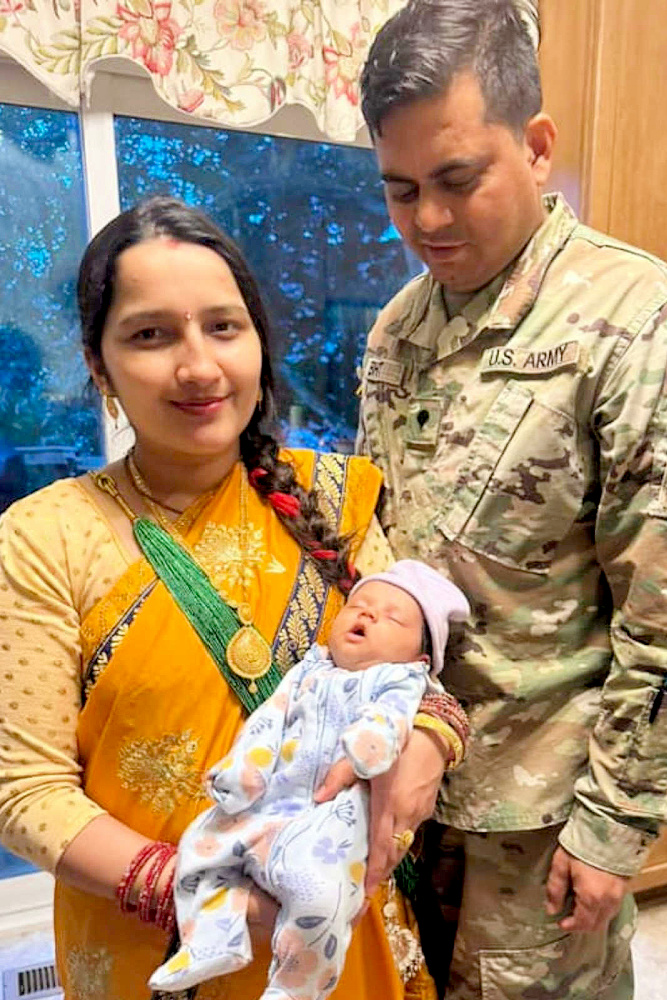
Mamta was a pediatric nurse, a daughter and sister with close ties to family in Nepal, and the mother of a young child. Friends and colleagues described her as closely connected to her mother, whom she contacted frequently, and deeply committed to her daughter and nursing career.
In the months before her disappearance, people close to Mamta said she discussed marital strain and was considering separation or divorce. Witnesses have described concerns involving control of money, access to documents, her cellphone, and alleged physical abuse. These accounts form part of the prosecution’s broader narrative; the defense disputes the conclusions prosecutors draw from them.
3. The Day of the Alleged Crime
Prosecutors place the alleged killing on or around July 30, 2024. Mamta’s communications had stopped, and her phone later went silent. The state says Naresh dropped off the couple’s daughter with a babysitter, made unusual internet searches, purchased knives and heavy-duty trash bags, and was later recorded disposing of bags at dumpsters or compactors.
No witness has publicly described seeing an assault. The prosecution’s account is built largely from digital records, surveillance, physical evidence, and statements made after Mamta disappeared. The defense argues that those pieces do not establish exactly what happened or prove a cause of death.
4. Initial Investigation


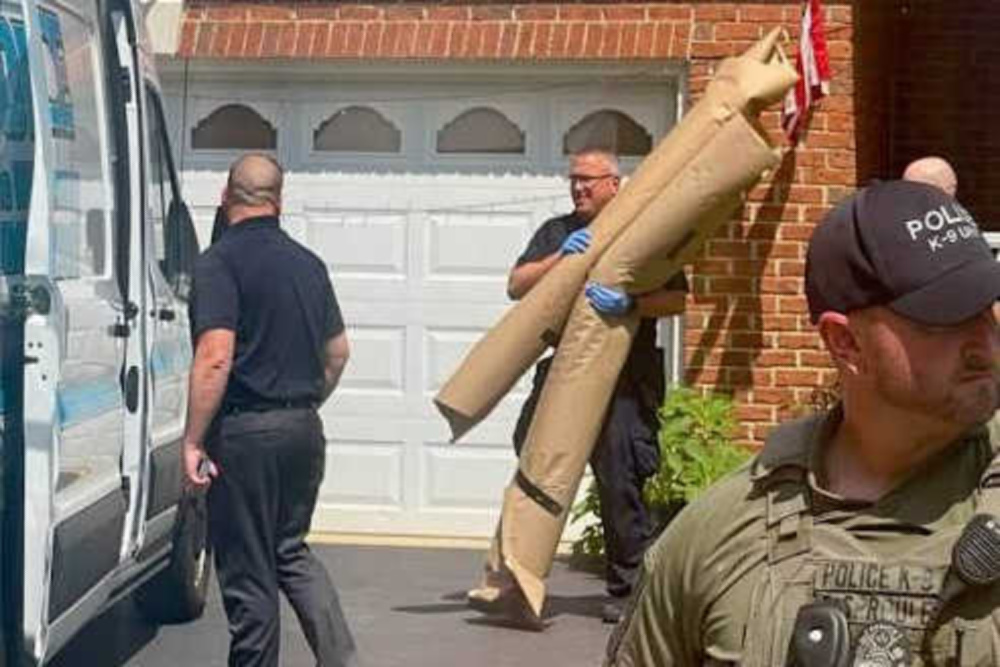
Police first responded after Mamta’s coworkers requested a welfare check. Investigators conducted interviews, obtained warrants, reviewed device and vehicle data, searched the home, and examined items recovered from the residence and disposal locations.
Evidence described in the draft includes blood in the bedroom and bathroom, a blood-stained bathmat recovered from a donation bin, alleged drag marks, moved furniture, cleaning supplies, and a reciprocating saw. Testing reportedly associated blood on the saw and other evidence with Mamta’s DNA profile. Investigators also reviewed cell-phone activity, Tesla location data, internet searches, purchases, household water use, and surveillance footage.
5. Conflicting Accounts & Unanswered Questions
Several questions have remained central to public discussion and court arguments:
- Why was Mamta not reported missing sooner?
- Why did Naresh reportedly suggest she had traveled to New York or Texas when her close family lived in Nepal?
- How should jurors interpret claims that Mamta had left home before, given that she reportedly took her child with her during the earlier separation?
- Why did Naresh say Mamta had destroyed her phone when data reportedly showed it remained active until August 1?
- What explains the purchases, disposal trips, water use, and cleaning activity described by prosecutors?
- What happened to the unaccounted-for knives and to Mamta’s remains?
The defense emphasizes a different set of gaps: no recovered body, no autopsy, no formally established cause of death, and no eyewitness to a killing. Those issues are likely to shape how the evidence is tested at trial.
6. Behavioral & Relationship Patterns
Friends, relatives, and coworkers have described a relationship marked by tension, secrecy, and alleged control. Their accounts include restricted access to money and documents, damage to or control over Mamta’s phone, and prior signs of physical abuse. Mamta reportedly stayed with friends for about a week in February 2024 and discussed plans to leave the marriage.
Investigators and prosecutors treat these accounts as context for motive and opportunity. They also point to Naresh’s alleged searches about remarriage after a spouse’s death, his shifting explanations, and conduct after Mamta vanished. These details remain allegations to be weighed alongside the defense’s objections and explanations.
7. Community Impact
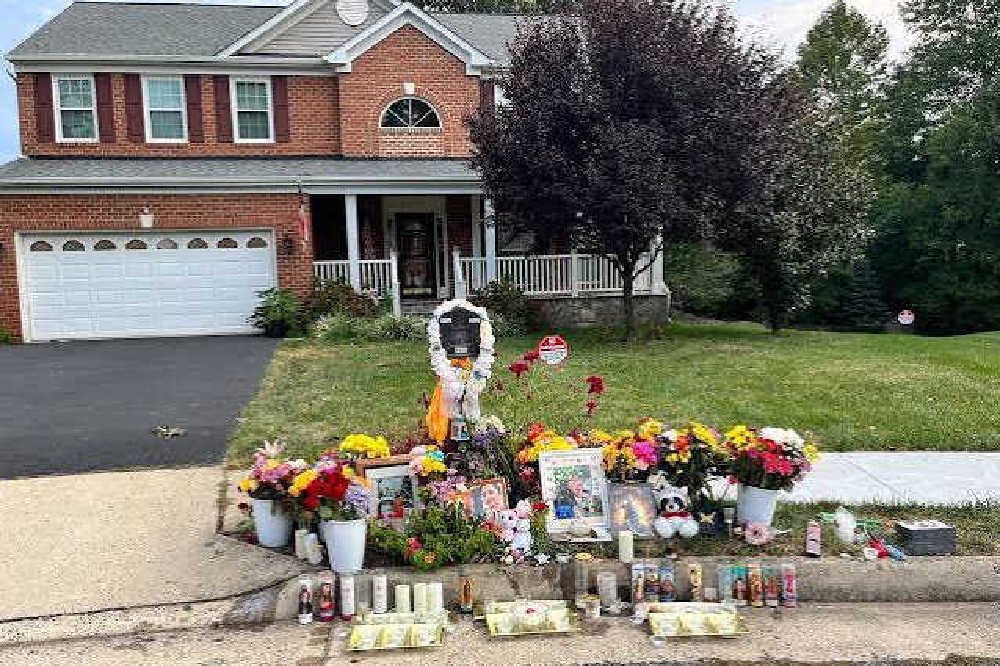
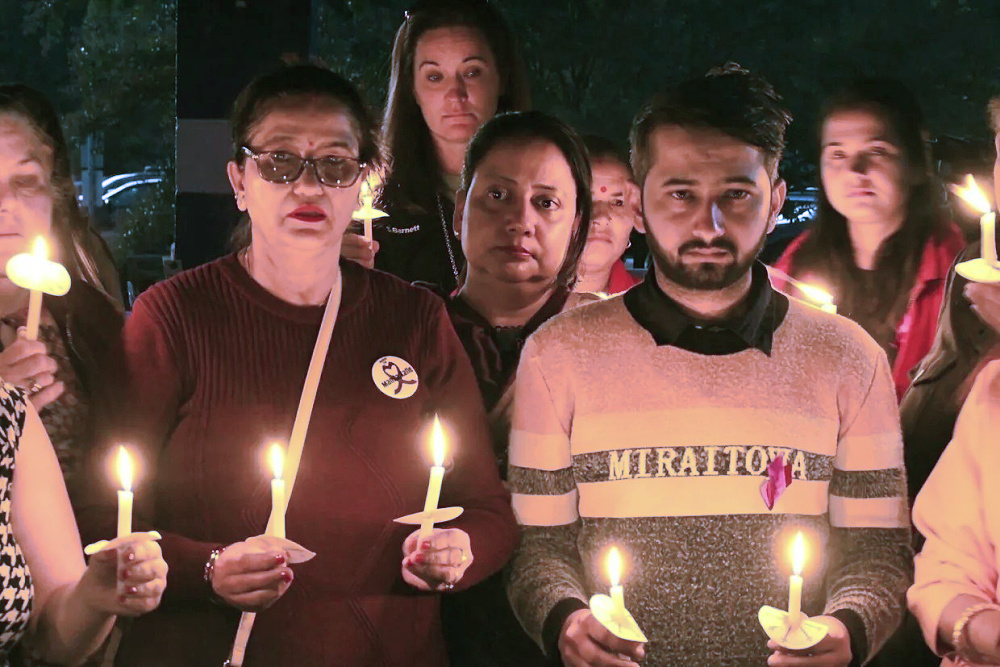
Mamta’s disappearance has affected relatives, friends, coworkers, neighbors, and supporters across Northern Virginia and beyond. Her family has had to grieve without a recovered body while caring for her young daughter and following a prolonged criminal case.
Supporters have gathered at court proceedings, organized public events, and used Mamta’s story to raise awareness about domestic violence. The absence of remains has also complicated the family’s ability to observe funeral and mourning traditions important to them, leaving loved ones without the closure of a final goodbye.
8. Interviews & Personal Perspectives

Family: Mamta’s mother has described the abrupt end of their frequent calls and the distress of receiving no response after her daughter disappeared. Mamta’s mother and brother later traveled from Nepal to help care for Mamta’s daughter.
Friends and coworkers: People close to Mamta have described her devotion to her child, concerns about her marriage, and signs that she was preparing for greater independence. Coworkers acted quickly when she missed shifts and could not be reached.
Investigators and legal teams: Prosecutors characterize the physical and digital evidence as a connected pattern pointing to homicide and concealment. The defense describes a “black hole” in the state’s narrative and urges careful scrutiny of assumptions made without a body or autopsy.
9. Theories & Possibilities
The prosecution’s theory
Prosecutors allege that Mamta was killed in the couple’s home, moved from the bedroom to the bathroom, and that her body was dismembered or otherwise disposed of. They rely on blood and DNA evidence, alleged drag and cleanup evidence, surveillance, purchases, digital activity, and inconsistent statements.
The defense’s position
The defense argues that the state cannot reliably establish how or when Mamta died—or even present an autopsy-based cause of death—because her body has not been found. It challenges the inferences drawn from forensic testing and circumstantial evidence and maintains that gaps should not be replaced by speculation.
What the evidence can and cannot answer
Circumstantial evidence can support criminal charges and convictions, but each link must still be proved and tested in court. In this case, the evidence may speak to Mamta’s presence in the home, possible injury, cleanup, and post-disappearance conduct; it does not by itself publicly reveal every step of what occurred or where her remains are now.
10. What Has Happened Since
Naresh was first arrested in August 2024 on a charge related to concealing a body. A grand jury later returned charges of first-degree murder, concealing a dead body, and physically defiling a dead body. He has pleaded not guilty and has been held without bond.
The draft reports continuing forensic work involving a reciprocating saw, including blood evidence and hairs or hair fragments submitted for testing. It also describes extensive digital discovery and a trial schedule extending through October and November 2026. Because court calendars and evidentiary rulings can change, publication should be checked against the latest official docket before posting.
Meanwhile, Mamta’s family and supporters continue to care for her daughter, attend proceedings, preserve Mamta’s memory, and advocate for accountability and greater awareness of domestic violence.

11. Host Reflection & Closing
For us, this case is a reminder that a disappearance is never only a headline. It is a rupture in a family, a workplace, and a community. Mamta should be remembered not simply as the center of a criminal case, but as a nurse, mother, daughter, sister, friend, and person building a future.
As the legal process continues, empathy and accountability must coexist with the presumption of innocence. The central questions remain urgent: What happened to Mamta, where are her remains, and what will the evidence ultimately prove?
Conclusion
Mamta Kafle Bhatt’s disappearance has become a closely watched no-body murder case built on forensic findings, digital records, surveillance, witness accounts, and disputed interpretations. Prosecutors say those pieces form a coherent account of homicide and concealment. The defense says the missing body and unanswered forensic questions leave room for reasonable doubt.
Until the case is resolved, the most important facts remain unchanged: Mamta is missing, her loved ones are still waiting for answers, and the search for truth must proceed with care, accuracy, and respect.
Content note: This episode discusses alleged domestic violence, disappearance, and homicide. The presentation avoids graphic detail and distinguishes allegations from established facts.